There is a specific, ethereal magic found in the delicate, translucent strands of a fresh batch of cotton candy. Traditionally, this whimsical treat required a centrifugal spinning head and a high-heat heating element, but we are going to unlock the professional secrets to creating Homemade Cotton Candy Without a Machine. By mastering the culinary science of the “hard-crack stage” and the art of hand-spinning, you can transform simple granulated sugar into an intricate wispy web-like texture right in your own kitchen.
This recipe isn’t just about making candy; it’s about achieving that material realism you see in elite food photography—those bright, airy fibers that look like pink clouds caught on a paper cone. We will focus on maintaining a clean, pastel pink hue while avoiding the dark or amber tones often associated with burnt sugar. Whether you are looking for a show-stopping party trick or a nostalgic weekend project, this technique delivers professional results without the industrial equipment.
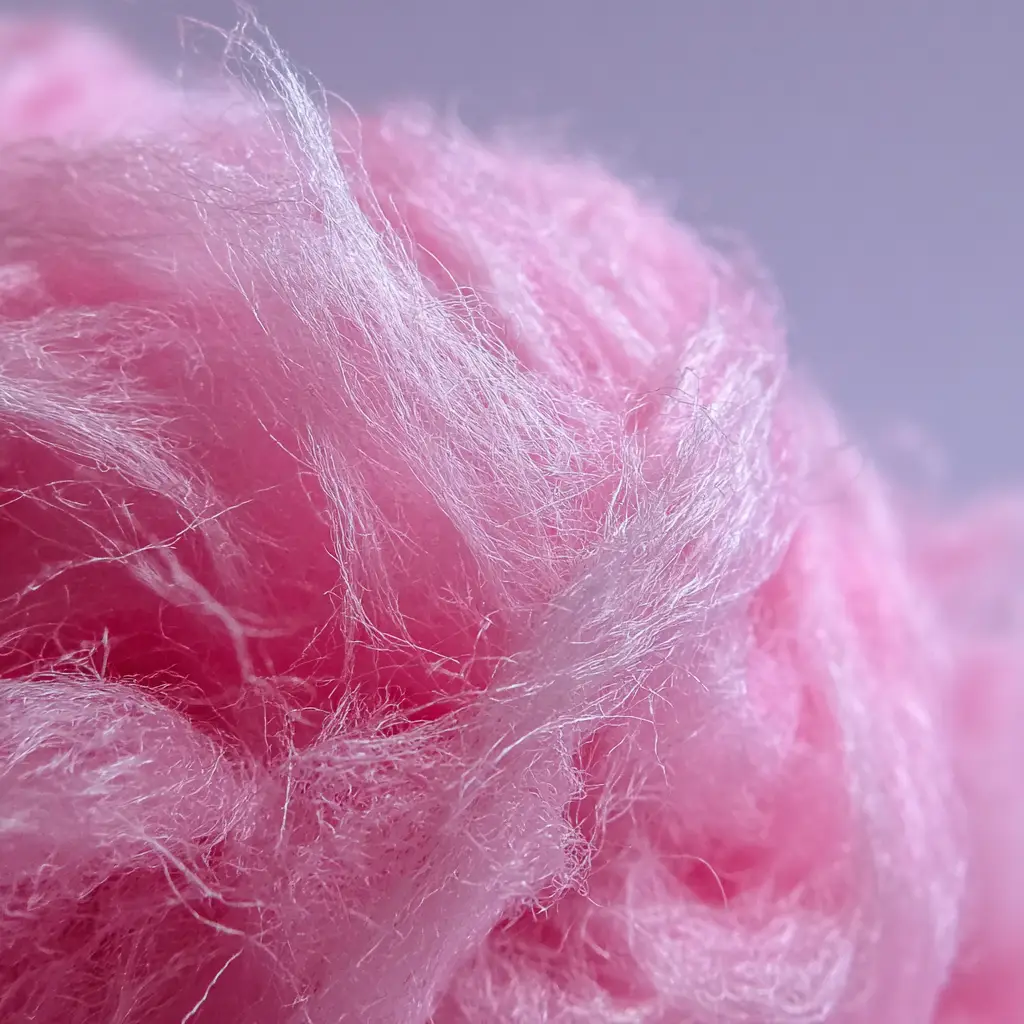
The Aesthetic Allure of Hand-Spun Sugar Clouds
- Intricate Fibrous Detail: Unlike machine-spun sugar, hand-spinning creates a beautifully messy and asymmetrical look with irregular sugar webs and stray airy fibers.
- Luminous Material Realism: By controlling the temperature precisely, we produce delicate translucent sugar strands that catch the light with a soft, diffused glow.
- Artisanal Textures: You will learn how to pull a single tuft of sugar away to showcase the intricate, hair-thin detail that defines a truly gourmet confection.
- Vibrant Pastel Palette: We use specific techniques to ensure a bright pastel pink and clean white finish, strictly avoiding the caramelization that leads to undesirable brown tones.
The Secret Chemistry of Machine-Free Fluff
To achieve the perfect Homemade Cotton Candy Without a Machine, we must understand the molecular transition of sugar. We are essentially creating an amorphous “glass”—a sugar structure that is cooled so quickly that crystals cannot form. This results in the brittle yet flexible strands that melt the moment they hit your tongue.
Granulated White Sugar (400g / 2 cups): This is our primary building block. White sugar is essential for achieving the clean, bright base necessary for pastel pink coloring without any yellow undertones.
Light Corn Syrup (120ml / 1/2 cup): This acts as our “interfering agent.” It prevents the sugar molecules from bonding back together into grainy crystals, ensuring the strands remain smooth and translucent.
Filtered Water (120ml / 1/2 cup): Water allows the sugar to dissolve evenly, preventing “hot spots” in the pan that could lead to premature browning or amber tones.
Pink Gel Food Coloring (1-2 drops): Gel is superior to liquid coloring because it provides high-impact pigment without adding excessive moisture that could deflate the delicate webs.
Flavoring Extract (1 tsp / 5ml): Whether you choose classic raspberry, vanilla, or even a hint of rose, the extract provides the sensory experience that matches the visual beauty of the spun sugar.
Essential Tools for Hand-Spun Confections
To replicate the wispy, web-like texture of a professional machine, you need a few specific household items. First and foremost is a high-quality candy thermometer. Without this, you cannot accurately hit the 300°F (149°C) threshold required for the hard-crack stage. You will also need a heavy-bottomed stainless steel saucepan to ensure even heat distribution.
For the spinning mechanism, a wire whisk with the ends snipped off (or two sturdy forks held back-to-back) will be your “spinning head.” You will also need two heavy wooden spoons or dowels suspended over the edge of your counter to act as the “loom” where the strands will catch and form their asymmetrical shapes. This setup is what allows us to create Homemade Cotton Candy Without a Machine with such high-definition detail.
Phase 1: Precision Temperature Control and Flavoring
Step 1: Preparing the Sugar Base
In your heavy-bottomed saucepan, combine the granulated sugar, light corn syrup, and water. Stir the mixture over medium-high heat until the sugar is completely dissolved. Once it begins to bubble, stop stirring immediately; stirring at high temperatures can introduce air bubbles or trigger crystallization that ruins the material realism of the strands.
Step 2: Reaching the Hard-Crack Stage
Clip your candy thermometer to the side of the pan. Watch as the temperature rises toward 300°F (149°C). As you approach 290°F, add your pink gel coloring and flavoring extract. You will hear a slight sizzle as the moisture evaporates, and the liquid will transform into a bright, vibrant pink. Pull the pan from the heat the exact second it hits 300°F to avoid any amber tones.

Phase 2: The Art of Spinning the Web
Step 3: Creating the Strands
Allow the sugar to sit for 30-60 seconds until it reaches a consistency similar to warm honey. Dip your modified whisk into the syrup and hold it about 12 inches (30cm) above your suspended wooden spoons. Flick your wrist in a rapid back-and-forth motion, allowing the sugar to fall in hair-thin filaments across the spoons. This motion is what creates the “beautifully messy” look described in our visual blueprint.
Step 4: Building the Volume
Continue this motion, dipping and flicking, as the sugar begins to build up into a thick, airy cloud. You will see the material realism of the delicate translucent sugar strands forming before your eyes. If the sugar in the pot becomes too thick to flick, briefly place it back on low heat for 10-15 seconds to regain its fluidity.
Expert Tips for the Fluffiest Hand-Spun Sugar
- Control the Humidity: Sugar is hygroscopic, meaning it pulls moisture from the air. For the best results, make this on a dry day; high humidity will cause your wispy webs to collapse into a sticky mess.
- The “Flick” Technique: Use your elbow, not just your wrist. A longer, more vigorous stroke creates longer, thinner fibers that more closely resemble machine-spun cotton candy.
- Clean Transitions: If you see any smoke or smell a toasted aroma, your sugar has gone too far. Start over to ensure that bright pastel pink and clean white color profile remains intact.
- Loom Placement: Ensure your “loom” (the wooden spoons) is at least 3 feet (1 meter) apart to allow the strands to cool and dry in the air before they land.
Long-Term Storage and Freshness
Homemade Cotton Candy Without a Machine is best enjoyed immediately. Within 20-30 minutes, the delicate fibers will begin to absorb ambient moisture and settle. If you must store it, place the tufts in an airtight glass jar with a desiccant pack. Do not refrigerate, as the humidity inside a fridge will dissolve the sugar strands instantly.
If you find yourself with leftover sugar syrup in the pan, don’t worry about scrubbing. Simply fill the pot with water and bring it to a boil; the hardened sugar will melt away, making cleanup effortless. This is a much simpler cleanup than most machine-based recipes!
Perfect Pairings for a Whimsical Dessert Table
While this cotton candy is a star on its own, it also makes a stunning garnish for other sweet treats. Try placing a small tuft on top of a frozen peach smoothie for a contrast in temperatures and textures. The bright pink strands also look incredible when served alongside a creamy coconut rice pudding recipe.
For a full party spread, balance the sweetness of the spun sugar with some savory snacks. The vibrant colors of this candy pair beautifully with a black bean and corn quinoa salad or a tray of air fryer zucchini bites. If you’re serving this at a summer BBQ after some crockpot bbq ribs, it provides a light, airy finish to a heavy meal.
Frequently Asked Questions
Yes! By snipping the ends off a wire whisk, you create multiple ‘tines’ that allow you to flick liquid sugar into the air, where it cools instantly into thin, fibrous strands.
The secret is adding an interfering agent like corn syrup. This prevents the sucrose molecules from crystallizing, ensuring your spun sugar strands stay smooth and translucent.
Because it is hand-spun and lacks the high-speed aeration of a machine, it is best eaten immediately. It will typically hold its shape for about 20 minutes before it begins to deflate.
Sugar is water-soluble. Simply soak your pots and tools in boiling water, and the hardened sugar will dissolve completely in minutes without the need for scrubbing.
This happens when the sugar is heated past the 300°F (149°C) hard-crack stage. Use a candy thermometer to ensure you pull the syrup from the heat the moment it reaches the correct temperature.
The Ultimate Machine-Free Cotton Candy Recipe
Homemade Cotton Candy Without a Machine: The Ultimate Guide to Fluffy Spun Sugar
Ingredients
Equipment
Method
- In a heavy-bottomed saucepan, stir together the sugar, corn syrup, water, and salt over medium-high heat until the sugar is fully dissolved.
- Stop stirring and clip on the candy thermometer. Boil the mixture until it reaches 300°F (149°C). Immediately remove from heat.
- Stir in the pink gel coloring and flavoring extract. Let the syrup sit for 1 minute to thicken slightly to a honey-like consistency.
- Place two wooden spoons or dowels over the edge of your counter, weighted down so they hang out into the air.
- Dip your modified whisk into the pink syrup. Hold it 12 inches above the spoons and flick your wrist rapidly back and forth to create thin, wispy strands.
- Once a large web of sugar has formed on the spoons, use a paper cone to roll and gather the fibers into a fluffy asymmetrical tuft.
Notes
Use a snip-ended whisk for the finest, hair-thin fibers.
Capture the Magic of Hand-Spun Sweets
Creating Homemade Cotton Candy Without a Machine is a rewarding culinary challenge that results in a breathtakingly beautiful dessert. By following these steps, you’ve mastered the art of the hard-crack stage and the delicate physics of spun sugar. The result is a messy, asymmetrical, and utterly professional-looking treat that captures the essence of a summer carnival in your own kitchen.
We would love to see your hand-spun creations! Share your photos and tag us, and don’t forget to follow our Pinterest for more visually stunning recipe inspiration. Leave a comment below if you have any questions about the spinning technique!