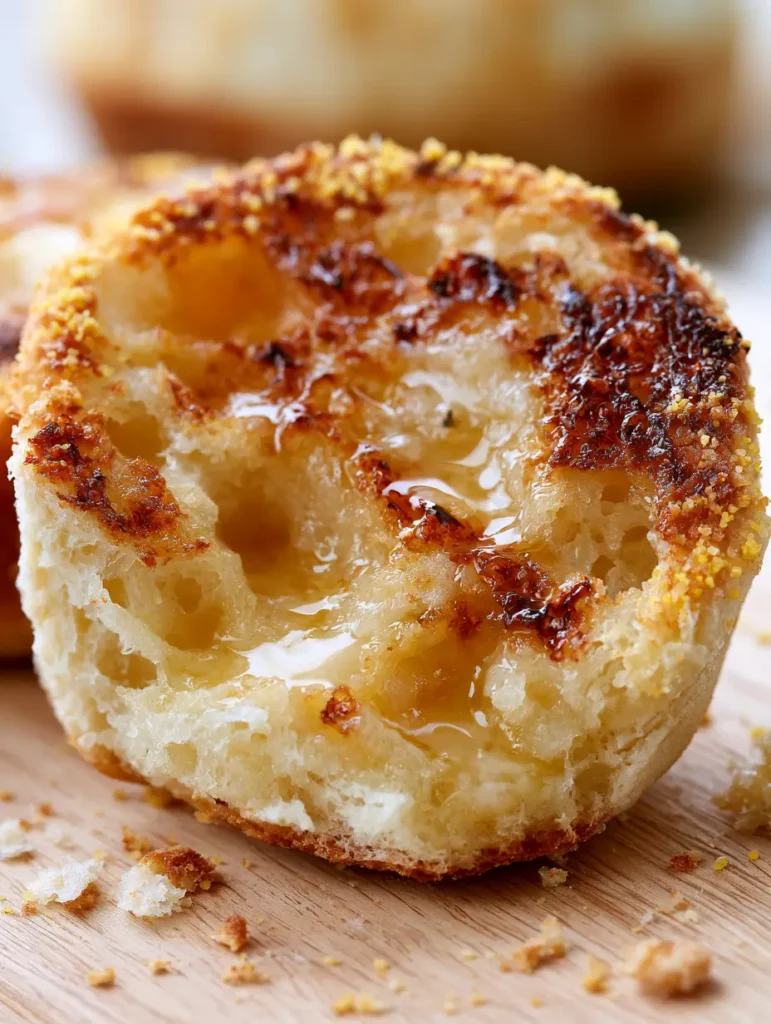
There is nothing quite like a Homemade English Muffin Recipe to transform your morning routine from mundane to extraordinary. Imagine breaking open a warm, toasted muffin to reveal deep nooks and crannies designed specifically to trap pools of melted salted butter. Unlike the rubbery, dense versions found in grocery store aisles, these are airy, porous, and feature a light dusting of yellow cornmeal for that iconic crunch. Whether you are a seasoned baker or a beginner, this guide will show you how to achieve professional-grade results in your own kitchen.
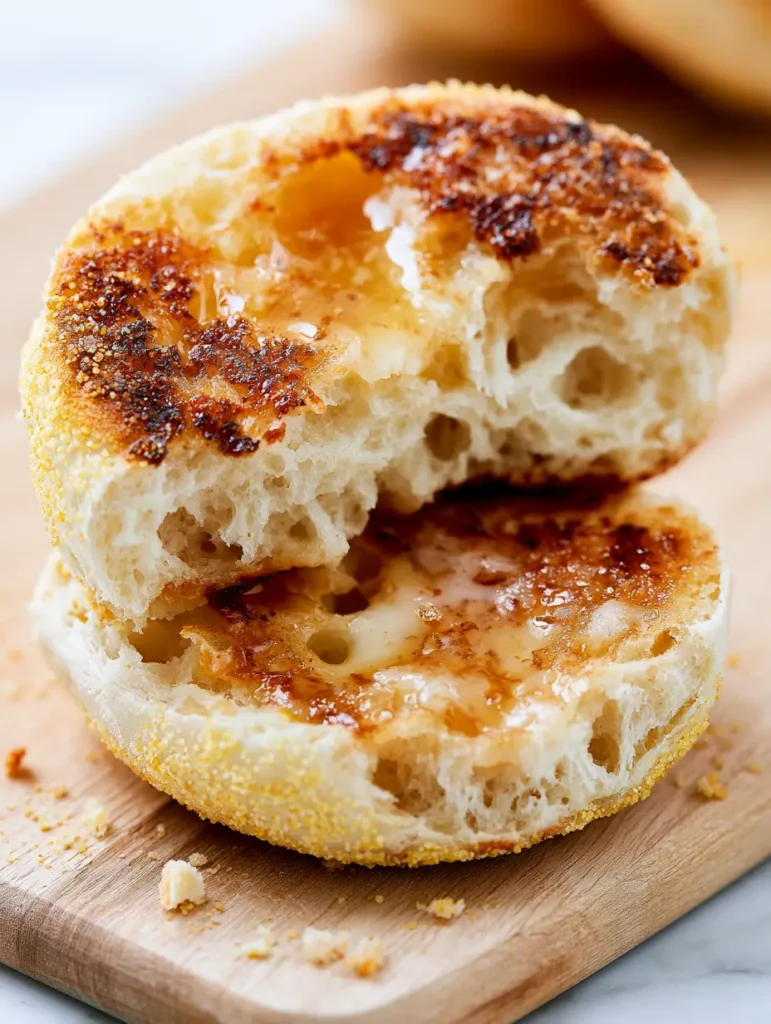
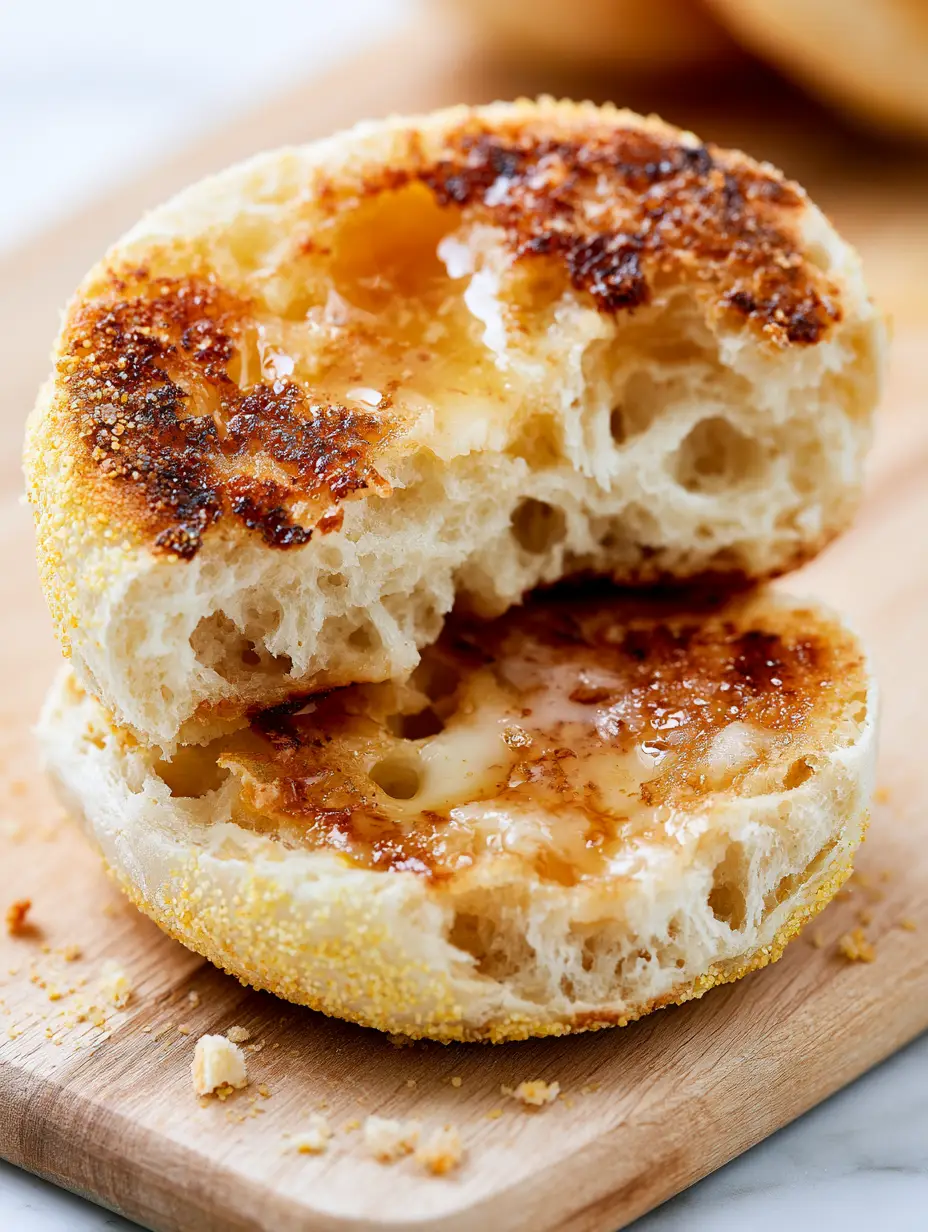
The visual appeal of this Homemade English Muffin Recipe is undeniable. When you use a fork to split them open, the irregular crumb creates a beautiful, messy styling that looks like it stepped out of a high-end food magazine. The golden brown toasted edges provide a crusty texture that contrasts perfectly with the soft, pillow-like interior. If you have ever wondered how to get those massive air pockets, the secret lies in the hydration and the specific cooking method we are about to dive into.
Why This Is The Best Homemade English Muffin Recipe You Will Ever Make
- Unrivaled Texture: We focus on high-hydration dough to ensure deep nooks and crannies that store-bought muffins simply cannot replicate.
- The Iconic Crunch: A generous coating of yellow cornmeal provides that signature gritty, toasted exterior.
- Griddle-Cooked Perfection: No oven required for the primary cook; we use a skillet to get those golden brown toasted edges.
- Flavor Depth: A slow fermentation process allows the yeast to develop a complex, slightly tangy profile that pairs beautifully with savory or sweet toppings.
- Visual Masterpiece: Designed to look like an extreme macro close-up of breakfast perfection with every single fork-split.
The Essential Ingredients for Superior Nooks and Crannies
To master this Homemade English Muffin Recipe, every ingredient serves a specific culinary purpose. We aren’t just making bread; we are engineering a texture-rich vessel for butter and jam. You might even want to pair these with some bold cowboy butter for an explosive flavor profile.
- All-Purpose Flour (500g / 4 cups): Provides the structural foundation while remaining tender enough for a soft crumb.
- Warm Milk (360ml / 1.5 cups): The sugars and fats in milk contribute to a softer texture and better browning on the griddle.
- Active Dry Yeast (7g / 2.25 tsp): The engine of our rise, creating the gas bubbles that become our porous crusty texture.
- Honey or Sugar (15ml / 1 tbsp): Feeds the yeast and encourages those beautiful golden brown toasted edges.
- Unsalted Butter, Softened (45g / 3 tbsp): Adds richness and helps create a more delicate “shred” when the muffin is pulled apart.
- Fine Sea Salt (9g / 1.5 tsp): Essential for regulating yeast activity and highlighting the buttery flavor.
- Yellow Cornmeal (for dusting): Prevents sticking and provides the signature crusty crunch on the top and bottom.
Mastering the Dough: Step-by-Step Instructions
Phase 1: Mixing the High-Hydration Dough
In a large bowl, whisk together your warm milk and honey. Sprinkle the yeast over the liquid and let it sit for about 5 minutes until it becomes foamy. This is the first sign of a healthy Homemade English Muffin Recipe. Add in your softened butter and half of the flour, mixing with a wooden spoon until a shaggy mass forms.
Gradually add the remaining flour and salt. Note that this dough will be significantly stickier than standard bread dough. Do not be tempted to add too much extra flour! The high moisture content is exactly what creates the steam necessary for those deep nooks and crannies. Knead the dough for about 5-8 minutes until it is smooth, elastic, but still tacky to the touch.
Phase 2: The First Rise and Flavor Development
Place your dough in a lightly greased bowl and cover it with a damp cloth. Let it rise in a warm, draft-free spot for about 1 to 1.5 hours, or until it has doubled in size. If you want even more flavor, you can let this rise in the refrigerator overnight. This cold fermentation creates a porous crusty texture that is much more complex.
Phase 3: Shaping and the Cornmeal Coating
Gently deflate the dough and turn it out onto a surface lightly dusted with flour. Divide the dough into 12 equal portions (approximately 75-80g each). Shape each portion into a smooth ball. Prepare a baking sheet by heavily dusting it with yellow cornmeal.
Press each ball down into a flat disc, about 1 inch thick. Flip the disc to ensure both sides are thoroughly coated in cornmeal. This coating is what gives the Homemade English Muffin Recipe its professional, rustic look. Cover the discs and let them rise again for 30-45 minutes until they look puffy and airy.
Phase 4: The Skillet “Bake” for Golden Edges
Heat a large cast-iron skillet or griddle over low-medium heat. Do not use oil! The cornmeal acts as a natural non-stick barrier. Carefully transfer the muffins to the skillet, leaving space between them. Cook for 7-9 minutes per side. You are looking for golden brown toasted edges and a firm exterior. If they brown too quickly, lower the heat; the interior needs time to set without burning the outside.
The Critical Fork-Split Technique
Never, ever use a knife to slice your Homemade English Muffin Recipe! Using a knife shears through the delicate air pockets, leaving a flat, uninspiring surface. To achieve the asymmetrical fork-split tear seen in professional food photography, follow these steps:
- Wait for the muffin to cool slightly so the internal structure sets.
- Insert the tines of a fork into the center of the muffin’s side.
- Rotate the muffin, piercing it all the way around the circumference.
- Gently pry the two halves apart.
This reveals the deep nooks and crannies that are perfect for catching pools of melted salted butter. The irregular crumb creates a glossy oily sheen as the butter soaks in, making every bite a textural delight. For a high-protein brunch, try serving these alongside a steak and avocado bowl.
Expert Tips for English Muffin Success
- Monitor Your Heat: A heavy-bottomed skillet like cast iron is best for even heat distribution to ensure those toasted edges don’t burn.
- Hydration is Key: If the dough is too dry, your muffins will be dense. It should feel like a very soft, sticky marshmallow.
- Don’t Rush the Second Rise: This is when the final air pockets expand. If you cook them too soon, they will be heavy.
- The Cornmeal Barrier: Be generous with the cornmeal; it provides the porous crusty texture that defines this recipe.
- Salt Matters: Use high-quality salted butter for the finish. The contrast between the salt and the toasted dough is addictive.
Storage, Reheating, and Freezing
This Homemade English Muffin Recipe yields 12 muffins, which is perfect for meal prep. Store them in an airtight container at room temperature for up to 3 days. For longer storage, these muffins freeze beautifully. Slice them (using the fork method!) before freezing so you can pop them directly into the toaster from the freezer.
To reheat, always use a toaster or toaster oven. This restores the golden brown toasted edges and keeps the interior soft. These are incredible when used as the base for a loaded chicken club or a quick breakfast sandwich.
What to Serve With Your English Muffins
While butter and jam are classics, the structural integrity of these muffins makes them perfect for heavier toppings. They are sturdy enough to hold up to a creamy egg salad or even served as a side for a zucchini and feta casserole. If you are feeling adventurous, use them to scoop up the sauce from a garlic butter tortellini for a true carb-on-carb experience.
Frequently Asked Questions
You can, but they won’t have the same signature flat sides and crusty texture. The griddle method is what gives English muffins their unique appearance and flavor.
While not strictly required, a cast iron skillet provides the most even heat distribution, which is essential for getting those perfectly golden brown toasted edges without burning.
They are best within 2-3 days if kept in an airtight container at room temperature, or they can be frozen for up to 3 months for peak freshness.
Always use a fork! Insert the fork tines into the side and work your way around the circumference to pry it open, preserving the internal air pockets.
Nooks and crannies are created by high dough hydration and carbon dioxide bubbles. If your dough is too dry or you use a knife to slice them, you will lose that iconic porous texture.
The Ultimate Homemade English Muffin Recipe
Homemade English Muffin Recipe: The Secret to Perfect Nooks and Crannies
Ingredients
Equipment
Method
- Combine warm milk and honey. Sprinkle yeast on top and let bloom for 5 minutes until foamy.
- Add butter and half the flour. Mix, then add remaining flour and salt. Knead for 5-8 minutes until smooth but sticky.
- Cover and let rise in a warm spot for 1.5 hours until doubled in size.
- Divide dough into 12 balls. Roll in cornmeal and flatten into 1-inch discs. Let rise for 45 minutes.
- Cook on a dry skillet over low-medium heat for 7-9 minutes per side until golden brown and cooked through.
Notes
Ensure the griddle heat is low enough to cook the center without burning the crust.

Save This Recipe To Pinterest!
If you love the look of these deep nooks and crannies and that bright airy diffused natural daylight glow, make sure to save this recipe to your Breakfast or Baking boards on Pinterest! Follow Noudish_Recipes for more high-RPM culinary inspiration. Don’t forget to leave a 5-star rating below and upload a photo of your toasted muffins—we love seeing those buttery nooks!